Most homeowners searching for a roofing contractor Spokane don’t hire one often enough to know what separates a good company from a bad one before the work starts.
By the time problems show up — a recurring leak, a missed permit, a crew that disappeared mid-job — it’s too late and expensive to fix.
These seven questions give you a clear way to evaluate any roofing contractor Spokane homeowners are likely to come across before you sign anything. More importantly, this guide tells you what a good answer actually sounds like, not just what to ask.
Last updated June 2026
Why the Right Questions Matter More Than the Lowest Bid
Price is the first thing most homeowners look at. It’s also the most misleading filter.
A low bid can mean cheaper materials, skipped permits, unlicensed subcontractors, or a crew that moves fast and cuts corners. The real cost shows up 12 months later when the leak comes back or the warranty is unenforceable.
The questions below help you evaluate what you’re actually buying from any roofing contractor Spokane has to offer — not just what it costs.
Question 1: Are You Licensed and Insured in Washington State?
This is the baseline. Every roofing contractor Spokane homeowners hire is required to hold an active license through the Washington State Department of Labor and Industries (L&I).
What a good answer sounds like: The contractor gives you their L&I registration number without hesitation and tells you to verify it yourself at secure.lni.wa.gov/verify. They also confirm they carry general liability insurance and workers’ compensation coverage.
What to watch for: A contractor who deflects, says they’re “in the process” of getting licensed, or can’t provide a number on the spot is not someone you want on your roof. If a worker is injured on your property and the contractor has no workers’ comp, you can be held liable.
One extra step worth taking: If you’re in North Idaho — Coeur d’Alene, Post Falls, Hayden, Rathdrum — ask whether they’re also licensed in Idaho. Washington and Idaho licensing are separate. A contractor licensed only in Washington is not automatically authorized to work on the Idaho side of the state line.
Question 2: Who Will Actually Be on My Roof?
This question catches more homeowners off guard than any other. The company you hire is not always the crew doing the work.
What a good answer sounds like: The contractor tells you directly whether the crew is their own employees or subcontractors. If subcontractors are used, they should be able to confirm those subs are also licensed and insured.
What to watch for: Vague answers like “we use trusted partners” without specifics. If a subcontractor causes damage or is injured on your property, your liability exposure depends entirely on whether they’re properly covered — and that’s information you deserve before work starts, not after.
Why this matters specifically in Spokane: During high-demand periods — particularly after major wind or hail events — some contractors take on more work than their own crews can handle and fill gaps with whoever is available. Asking this question upfront tells you a lot about how the company actually operates.
Question 3: What Does Your Workmanship Warranty Cover and for How Long?
Every roofing project comes with two separate warranties — the manufacturer warranty on materials and the contractor’s workmanship warranty on installation. They cover completely different things.
What a good answer sounds like: The contractor clearly explains both warranties, gives you the length and terms of each in writing, and explains what the workmanship warranty specifically covers if a leak develops due to installation error.
What to watch for: A contractor who only mentions the manufacturer warranty and says nothing about their own workmanship is telling you something. Manufacturer warranties cover material defects — not how the roof was installed. If the flashing was done wrong or a valley wasn’t sealed properly, only the workmanship warranty applies.
What’s reasonable to expect in this market: Most reputable Spokane contractors offer at least a 2-year workmanship warranty. Contractors with stronger confidence in their work — and stronger manufacturer certifications — typically offer 5 to 10 years on labor. Always get the terms in writing before work begins.
Question 4: Will You Pull the Permit?
In Spokane and Spokane Valley, full roof replacements require a building permit. In Kootenai County and most North Idaho jurisdictions, the same applies.
What a good answer sounds like: “Yes, we pull the permit on your behalf as part of the project.” The cost of the permit is typically included in the estimate or listed as a line item.
What to watch for: Any contractor who suggests skipping the permit to “save time” or reduce cost is a red flag.
Unpermitted roofing work can complicate your homeowner’s insurance coverage, create problems when you sell the home, and leave you responsible for code violations discovered during a future inspection.
The practical reason this matters: A permit triggers an inspection by the local building department. That inspection exists specifically to catch installation errors before they’re buried under shingles and become expensive problems later.
Question 5: Will You Inspect the Roof Deck During Tear-Off — and How Do You Handle What You Find?
Shingles are what you see. The roof deck is what holds everything together. And you won’t know the condition of the deck until the old shingles come off.
What a good answer sounds like: The contractor confirms they inspect the decking during tear-off, explain how they document what they find, and tell you how they communicate any additional scope before proceeding.
They should also clarify how additional decking repair is priced — by the sheet, by the linear foot, or as a flat fee — so there are no surprises on the final invoice.
What to watch for: A contractor who gives you a “complete” estimate before ever seeing the deck, then adds surprise charges at the end of the job. Decking damage is genuinely difficult to predict from the outside — a reputable contractor will acknowledge this honestly rather than pretend they know exactly what’s under the shingles.
Why this is especially relevant in Spokane and North Idaho: Freeze-thaw cycles and ice dams can cause moisture damage to roof decking that isn’t visible until the old roof comes off. Homes in the Rathdrum Prairie and higher-elevation Spokane neighborhoods see more of this than the regional average.
Question 6: How Do You Handle Cleanup — and What Does That Specifically Include?
A roofing project generates a significant amount of debris — old shingles, underlayment, nails, wood scraps, and packaging material. What happens to all of it matters.
What a good answer sounds like: The contractor describes a specific cleanup process: daily debris removal during multi-day projects, a nail magnet sweep of the lawn and driveway, dumpster or haul-away included in the estimate, and a final walkthrough before they leave.
What to watch for: Vague reassurances like “we always clean up” without specifics. Ask directly whether nail magnet sweeps are standard, whether the dumpster is included or billed separately, and whether a project manager does a final walkthrough with you before the crew leaves.
One thing many homeowners don’t think to ask: If the project runs multiple days — which is common on larger homes or steep roofs — ask whether debris is cleared at the end of each day or only at the end of the project. Leaving exposed decking and scattered materials overnight is a safety and liability issue, especially if you have children or pets.
Question 7: Can You Walk Me Through Your Inspection Process Before You Give Me a Recommendation?
This is the question that separates contractors who are selling from contractors who are actually assessing.
A roofing contractor Spokane homeowners can trust will walk the roof, take photos, and explain what they found — and why it points toward repair or replacement. A contractor who shows up, glances at the roof from the driveway, and immediately quotes a full replacement is not.
What a good answer sounds like: The contractor describes a documented inspection process: they go on the roof, photograph areas of concern, check the attic for ventilation and moisture issues, and provide a written report of findings before recommending a scope of work. They explain the reasoning behind their recommendation — not just the price.
What to watch for: Any contractor who tells you what you need before they’ve looked. Also watch for contractors who use storm season or insurance urgency to rush you into a decision before you’ve had time to get a second opinion.
Why this matters most: The biggest fear homeowners in this market consistently report is paying a large amount of money for a contractor who messes up the job. The inspection process is where you get your first real look at how a contractor actually operates — before any money changes hands.
What Good Answers Look Like Side by Side
| Question | Green Flag | Red Flag |
|---|---|---|
| Licensed and insured? | Gives number, says verify it yourself | Deflects or says “in process” |
| Who’s on my roof? | Names their crew or confirms sub credentials | “Trusted partners” with no specifics |
| Workmanship warranty? | Written terms, explains coverage clearly | Only mentions manufacturer warranty |
| Will you pull the permit? | Yes, included in scope | Suggests skipping it |
| Deck inspection? | Documents findings, explains pricing | Surprises you after tear-off |
| Cleanup process? | Nail magnets, daily removal, final walkthrough | “We always clean up” |
| Inspection process? | Photos, written report, explained reasoning | Quotes replacement from the driveway |
One More Thing Worth Knowing Before You Call Anyone
Washington State law prohibits roofing contractors from waiving your insurance deductible. If a contractor offers to ‘cover your deductible’ as part of the deal, that arrangement is illegal under RCW 48.30.133, which classifies deductible waivers as an unfair trade practice and can expose both the contractor and the homeowner to legal liability.
It’s also worth knowing that the Washington State L&I complaint database is public. Before hiring anyone,earch the contractor’s name or registration number at secure.lni.wa.gov/verify to see their bond status, insurance, and any infractions or violations on record

FAQ: Hiring a Roofing Contractor in Spokane
How do I verify a roofing contractor's registration in Washington State?
Go to secure.lni.wa.gov/verify and search by the contractor’s business name or registration number. The lookup returns their registration status, expiration date, bond status, insurance on file, and any violations or infractions on record. This takes about two minutes and is worth doing before any contractor gets on your roof.
Should I get multiple bids before hiring a roofing contractor in Spokane?
Getting two to three bids is a reasonable approach for any project over $5,000. The goal isn’t to find the lowest price — it’s to understand what a realistic scope and price looks like for your specific roof.
If one bid is significantly lower than the others, ask specifically what is different about their materials, warranty, or process. The answer usually explains the gap.
Is it normal to pay a deposit before work starts?
A deposit of 10 to 30 percent is common and reasonable for material purchases. Be cautious of any contractor who asks for more than 50 percent upfront, or who wants full payment before work begins. Payment schedules should be documented in the contract before you sign.
What should a roofing contract include?
A complete roofing contract should include the scope of work in writing, the specific materials being used (manufacturer, product line, and color), the workmanship warranty terms, the payment schedule, the project timeline, permit responsibility, and cleanup expectations. If any of these are missing, ask for them before signing.
How long does it take to get a roofing permit in Spokane?
Most residential re-roofing permits in Spokane are processed within one to three business days for standard projects. In Coeur d’Alene, re-roof permits are typically issued over the counter on the same day. A reputable contractor handles the permit application as part of their process — you should not need to manage this yourself.
Definitions: Terms Worth Knowing Before You Call
Workmanship warranty: The contractor’s guarantee of their own installation work. Separate from the manufacturer warranty and the only warranty that covers errors made during installation.
Manufacturer warranty: Coverage provided by the shingle or material manufacturer for product defects. Does not cover installation errors.
Roof deck (decking): The structural panels — usually plywood or OSB — that form the base of the roof. Shingles and underlayment are installed on top.
Underlayment: A water-resistant layer installed directly on the roof deck beneath shingles. Provides secondary protection if shingles are displaced.
Subcontractor: A worker or crew hired by the primary contractor to perform part of the job. May or may not carry their own license and insurance separate from the main contractor.
Lien waiver: A document signed by the contractor or subcontractor confirming they have been paid and waive any right to place a lien on your property. Protects homeowners if a subcontractor goes unpaid by the primary contractor.
Service area
RC Roofing Specialists serves Spokane, Spokane Valley, Liberty Lake, South Hill, Coeur d’Alene, Post Falls, and Hayden. We are licensed and insured in Washington and Idaho with over 10+ years of local experience.
About This Guide
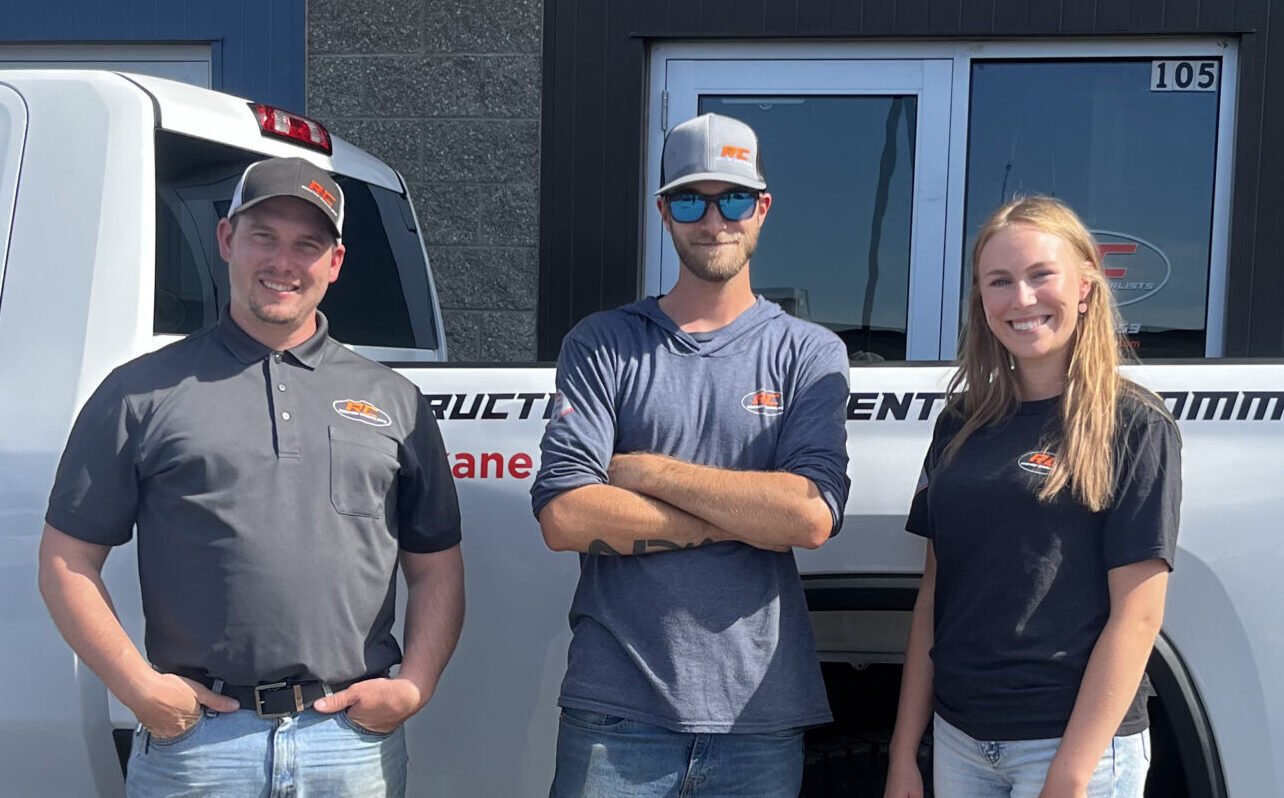
This guide was written by RC Roofing Specialists, a family-owned roofing contractor Spokane and North Idaho homeowners have relied on since 2015, based in Liberty Lake, WA.
RC Roofing holds Google Guaranteed status, GAF certification, and a 10-year workmanship warranty. Josh, the owner, conducts inspections personally and provides a written report before recommending any scope of work.
If you’d like a free, documented inspection with no obligation to hire, RC Roofing serves homeowners throughout Spokane, Spokane Valley, Liberty Lake, Coeur d’Alene, Post Falls, Hayden, and surrounding communities.