
Many homeowners want to know how to inspect a roof without risking injury or causing damage. A basic inspection can help you spot early signs of problems before they become expensive repairs.
This guide explains how to inspect a roof safely, what you can check yourself, and when it is better to schedule a professional inspection.
Last updated April 2026
Quick answer: how to inspect a roof safely
The safest way to inspect a roof is from the ground or inside the attic using visual checks and simple tools. Climbing on the roof is not necessary for most homeowners and can increase the risk of injury.
A basic inspection focuses on visible damage, signs of leaks, and areas where roofing systems commonly fail.
Start with a ground-level inspection
The first step in how to inspect a roof is to walk around your home and look at the roof from different angles. This gives you a clear view without putting yourself at risk.
Look for:
- Missing or damaged shingles
- Uneven roof lines or sagging areas
- Debris buildup in valleys
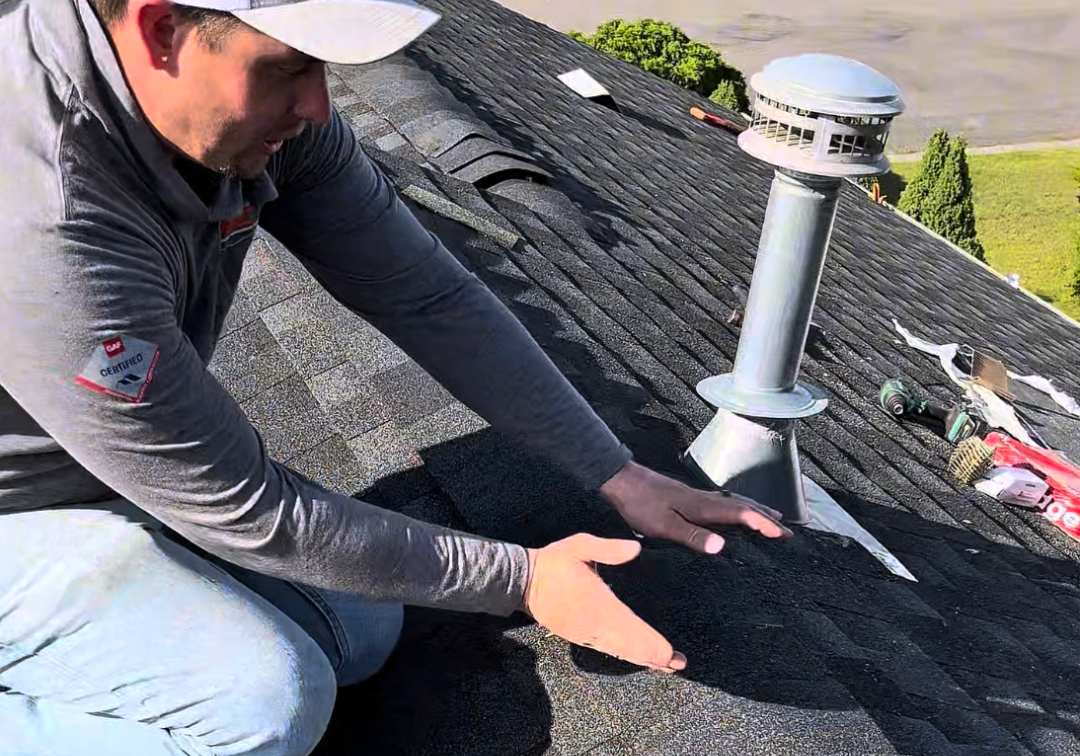
- Visible flashing issues near chimneys or vents
Using binoculars can help you see more detail safely.
Check your gutters and downspouts
Gutters often show early signs of roof problems. They are easy to inspect without climbing onto the roof.
Watch for:
- Granules collecting in gutters
- Pieces of shingles
- Blockages that may trap water
Granule loss can indicate that roofing materials are wearing down.
Inspect the attic for hidden issues
Looking inside your attic is an important part of how to inspect a roof properly. Many problems show up inside before they are visible outside.
Check for:
- Water stains or dark spots
- Damp insulation
- Mold or musty smells
- Light coming through the roof boards
These signs often point to leaks or ventilation issues.
Pay attention after storms
Storms are one of the most common causes of roof damage. Checking your roof after heavy weather helps catch problems early.
Look for:
- Missing shingles after wind
- Debris impact damage
- Water stains appearing inside the home
If you notice changes after a storm, it may be time for a closer inspection.
Know when not to climb on your roof
Understanding how to inspect a roof also means knowing what not to do. Walking on a roof can cause damage and increase the risk of falling.
Avoid climbing if:
- The roof is steep or wet
- You do not have proper safety equipment
- You are unsure where to step
Most inspections can be done safely from the ground or attic.
When to schedule a professional inspection
A professional inspection is recommended when you see signs of damage or are unsure what you are looking at. It provides a more detailed evaluation of the roof system.
You should consider a professional inspection if:
- You suspect a leak
- The roof is over 15–20 years old
- You see multiple warning signs
- You are preparing to buy or sell a home
Professional inspections often include photos and clear explanations.
Why regular inspections matter
Regular inspections help identify small issues before they become major problems. This can extend the life of your roof and reduce long-term costs.
Learning how to inspect a roof gives you a basic understanding, but it does not replace a full inspection when needed.
FAQs: How to Inspect a Roof
How often should I inspect my roof?
Most homeowners should inspect their roof or get it check by a professional at least twice a year, typically in the spring and fall. Additional checks after major storms can help catch damage early.
Regular inspections make it easier to track changes over time and spot new issues.
Can I inspect my roof without climbing on it?
Yes, most of the important parts of how to inspect a roof can be done from the ground or attic. Using binoculars and checking inside your home can reveal many common issues.
Climbing on the roof is not necessary for basic inspections and can be unsafe.
What are the most important signs of roof damage?
The most important signs include missing shingles, water stains, sagging areas, and granules in gutters. These indicators often point to wear or structural problems.
If multiple signs are present, a professional inspection is recommended.
Is it safe to walk on my roof?
Walking on a roof can be dangerous and may cause damage if not done correctly. Slopes, moisture, and loose materials increase the risk of slipping.
If inspection requires walking on the roof, it is usually better handled by a professional.
When should I call a roofing contractor?
You should call a contractor when you see signs of leaks, structural issues, or widespread damage. These problems require a closer inspection and possible repairs.
Professional guidance helps confirm whether repairs or replacement are needed.
Roofing terms to understand during inspections
- Flashing: Metal used to seal roof edges and openings
- Granules: Protective coating on shingles
- Decking: Wood surface under the roof
- Ventilation: Airflow that controls heat and moisture
- Valley: Area where two roof slopes meet
Understanding these terms makes inspections easier to follow.
Service area
RC Roofing Specialists serves Spokane, Spokane Valley, Liberty Lake, South Hill, Coeur d’Alene, Post Falls, and Hayden. We are licensed and insured in Washington and Idaho with over 10+ years of local experience.
Final note
Knowing how to inspect a roof helps you catch problems early and understand what you are seeing. Safe inspections focus on visibility, not risk.
That is the purpose of this guide.