
Many homeowners want more natural light inside their homes but do not want to install a full skylight. A sun tunnel is a simple way to bring daylight into rooms that do not have windows.
This guide explains what a this tunnel is, how it works, and when it may be a good option for your home. The goal is to help you understand the system before deciding if installation makes sense.
Last updated April 2026
Quick answer: what is a sun tunnel?
A sun tunnel is a small daylighting system installed through the roof that channels sunlight into a room using a reflective tube. It captures sunlight on the roof and directs it down through the attic into the living space.
They are commonly used in hallways, bathrooms, closets, and other areas where traditional windows are not possible. Credible brand such as VELUX are used to ensure quality installations and longevity/
How does a sun tunnel work?
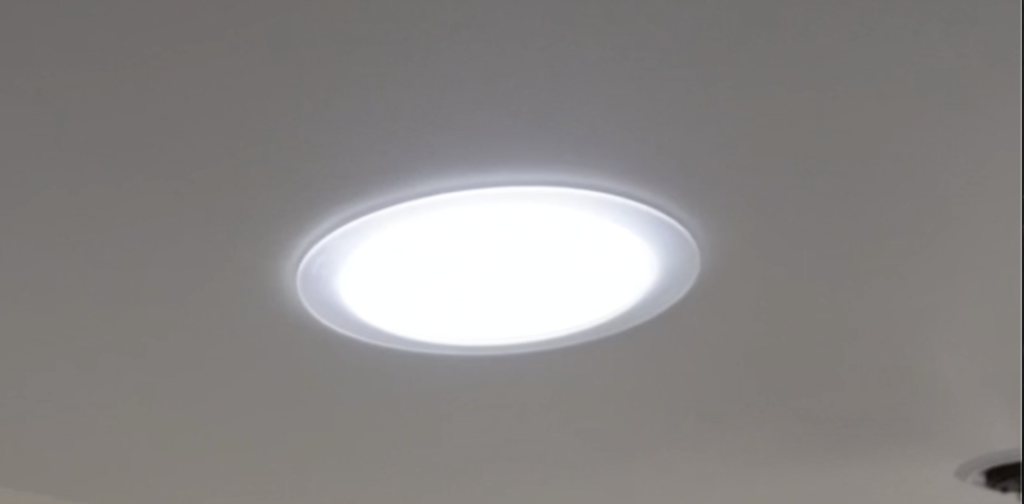
It works by capturing sunlight at the roof level and directing that light through a reflective tube. The light travels down the tube and spreads evenly through a diffuser installed in the ceiling.
The system does not rely on electricity during the day. Instead, it uses natural sunlight to brighten interior spaces.
The main parts of a solar tunnel
The system is made up of a few simple components. Each part plays a role in moving daylight from the roof to the room below.
Typical components include:
A roof dome that captures sunlight
A reflective tunnel that directs light downward
A ceiling diffuser that spreads light into the room
Flashing that seals the system to prevent leaks
Proper installation ensures the system stays weatherproof.
Where they work best
They are ideal for areas that need natural light but cannot fit a skylight. They are commonly used in smaller interior rooms.
Good locations include:
Interior hallways
Bathrooms
Laundry rooms
Walk-in closets
Pantries
These spaces often have no exterior walls, making traditional windows impossible.
Sun tunnel vs skylight: what is the difference?
A skylight is a larger window installed in the roof. It provides both natural light and a view of the sky.
A sun tunnel is smaller and designed only to deliver light. It works well in tight spaces where a skylight would not fit.
How much light does a solar tunnel provide?
A solar tunnel can provide a surprising amount of daylight. Many homeowners find that a single one brightens a small room during most daylight hours.
The amount of light depends on roof orientation, tunnel length, and the size of the system. Shorter tunnels usually deliver stronger light.
Are they energy efficient?
Yes. A solar tunnel uses natural sunlight instead of electric lighting during the day.
By reducing the need for lights in interior rooms, they can help lower electricity use. It also produces very little heat compared to large skylights.
Do these tunnels affect the roof?
They do require a small roof opening, similar to other roof penetrations. Proper flashing and installation prevent leaks and weather damage.
When installed correctly, it integrates into the roofing system without affecting roof performance.
How long does sun tunnel installation take?
Most installations are completed in a few hours. The exact time depends on roof access and attic layout.
A professional installation ensures proper sealing and alignment of the tunnel.
Sun Tunnel FAQs
Do sun tunnels work on cloudy days?
Yes, these tunnels still provide light on cloudy days. While the light is softer, reflective tubing allows daylight to travel through the system even when the sun is not directly overhead.
Homes in regions with mixed weather often still benefit from the natural light they provide.
Can they be installed on any roof?
Most roof types can support a solar tunnel installation. The roof slope and attic space determine how the reflective tube is routed.
A professional inspection helps confirm whether a one will work well for your roof structure.
Do these tunnels leak?
A properly installed tunnel should not leak. The system includes flashing that seals the roof opening and directs water away from the penetration.
Leaks usually occur only when flashing is installed incorrectly or roofing materials around the system are damaged.
How much does a solar tunnel cost?
The cost depends on the size of the unit and the complexity of installation. Homes with easy attic access often have lower installation costs.
Longer tunnels or complicated roof structures may increase the price.
Are they better than skylights?
Sun tunnels and skylights serve different purposes. Skylights provide views and larger openings, while the tunnels are designed to bring light into small or interior rooms.
Many homeowners choose a them when a skylight would not fit or would be too large for the space.
Roofing terms related to understand
Flashing: Metal pieces used to seal roof penetrations
Diffuser: The ceiling lens that spreads light into the room
Reflective tunnel: The tube that directs sunlight downward
Roof penetration: Any opening installed through the roof surface
Attic space: The area between the roof and the ceiling
Understanding these parts helps explain how a solar tunnels work.
Service area
RC Roofing Specialists serves Spokane, Spokane Valley, Liberty Lake, South Hill, Coeur d’Alene, Post Falls, and Hayden. We are licensed and insured in Washington and Idaho with over 10+ years of local experience.
Final note
A sun tunnel is a simple way to bring natural daylight into interior rooms. When installed correctly, it provides light without major changes to the roof.
Understanding how a they work helps homeowners decide if it is the right lighting solution for their space.