
Most homeowners in Spokane don’t ignore a damaged roof on purpose. Life gets busy, the leak seems small, and a $10,000 replacement feels easier to put off than deal with right now.
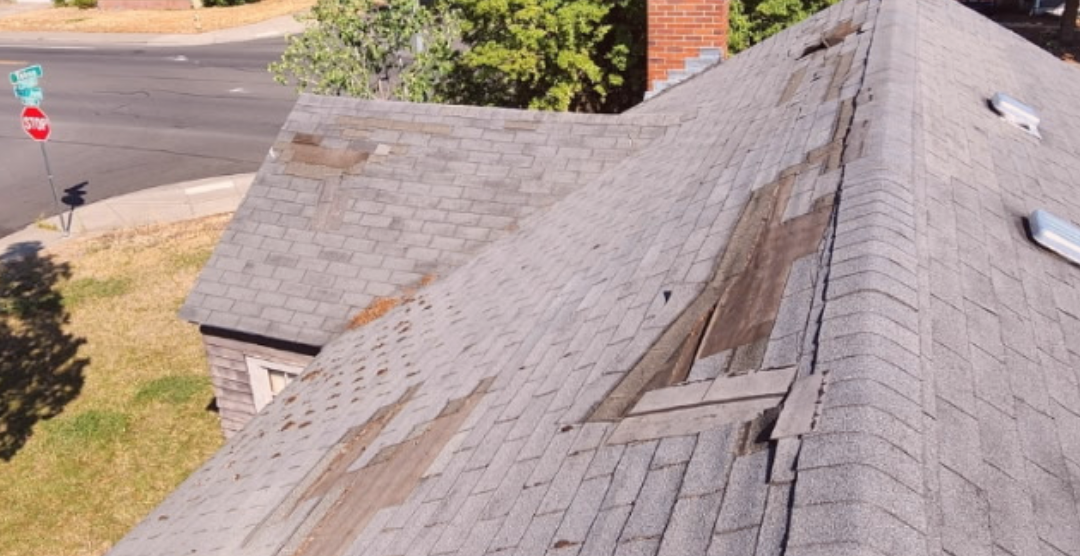
The problem is that a damaged roof Spokane homeowners leave unaddressed doesn’t stay the same — it gets worse, often faster than expected, and the cost compounds at every stage.
This guide covers exactly what happens when roof damage is ignored, in what order, and what the real cost difference looks like between catching it early and waiting too long.
Last updated August 2026
Short Answer To What Happens if You Ignore a Damaged Roof in Spokane
A damaged roof Spokane homeowners delay repairing will progress through four stages: water intrusion, insulation and decking damage, mold growth, and structural failure. Each stage is more expensive to fix than the last. What starts as a $500–$1,500 repair can become a $20,000–$40,000 project if left long enough.
Why Spokane's Climate Makes Waiting Especially Costly
Roof damage anywhere gets worse over time. In Spokane specifically, the timeline is compressed by several climate factors that accelerate deterioration faster than the national average.
- Freeze-thaw cycles. Water that enters through a damaged shingle or failed flashing expands when it freezes. In Spokane, temperatures regularly cross the freezing threshold multiple times per week during fall and winter. Each freeze-thaw cycle forces existing cracks wider and drives moisture deeper into the roof structure.
- Heavy snow loads followed by rapid melt. Snow sitting on a compromised roof adds weight to already stressed decking. When it melts quickly — common during Spokane’s chinook wind events — large volumes of water run across the roof simultaneously and find every opening.
- Wind. Spokane and the surrounding Inland Northwest see serious wind events regularly. The November 2015 storm produced gusts over 70 mph. A damaged roof Spokane homeowners haven’t repaired is significantly more vulnerable to losing additional shingles during these events, which accelerates every stage below.
- Spring rain. Extended wet periods in April and May mean sustained moisture exposure arrives right after a winter of freeze-thaw stress — the worst possible combination of timing for any compromised roof.
Stage 1: Water Intrusion (Weeks to Months)
The first consequence of ignored roof damage is water getting past the shingle layer. This can happen through missing shingles, cracked or lifted shingles, failed flashing around a chimney or vent, or damaged underlayment.
At this stage, the water may not reach living spaces immediately. It collects in the attic, soaks into insulation, and begins wicking into roof decking — often for weeks or months before a ceiling stain appears indoors.
What you might notice:
- A water stain on the ceiling after heavy rain
- Damp or compressed insulation in the attic
- A musty smell in upper rooms or attic spaces
- Daylight visible through roof boards in the attic
Cost to address at this stage: $300–$1,500 for most isolated repairs, depending on the extent of flashing or shingle damage.
Stage 2: Insulation and Decking Damage (Months to a Year)
Once moisture reaches the insulation and roof decking consistently, both begin to degrade.
The roof decking — typically plywood or OSB — absorbs moisture and begins to soften, warp, and eventually rot. Decking that has rotted cannot hold fasteners properly, which means new shingles installed over it will fail faster and may not meet code.
What you might notice:
- Higher heating or cooling bills without another explanation
- Soft spots or a spongy feel when walking on the roof
- Visible sagging between rafters when viewed from the attic
- Staining spreading across ceiling drywall
Cost to address at this stage: $1,500–$5,000+ depending on how many decking sheets need replacement, on top of the cost of the roofing work itself.
Stage 3: Mold Growth (Months to Two Years)
A consistently damp attic is an ideal environment for mold. In Spokane’s climate, mold can establish in an attic within weeks of sustained moisture exposure and spread significantly within months.
Mold in an attic is not just a structural problem — it is a health issue. Certain mold species produce spores that move through HVAC systems into living spaces. Remediation is required before any roofing or insulation work can be completed, which adds a separate contractor, a separate timeline, and a separate cost to the project.
What you might notice:
- Visible dark patches on attic rafters or sheathing
- A persistent musty or earthy smell in the home
- Worsening allergy or respiratory symptoms indoors
- HVAC vents producing an unusual odor
Cost to address at this stage: Mold remediation alone ranges from $1,500 to $9,000 depending on extent, and must be completed before roofing work can begin. Total project cost at this stage commonly reaches $15,000–$25,000.
Stage 4: Structural Damage (One to Several Years)
Left long enough, moisture that has compromised decking and insulation reaches rafters, ceiling joists, and wall framing. Wood rot in structural members weakens the entire roof system. In severe cases, this leads to visible sagging ridgelines, bowing roof sections, or partial collapse under snow load.
What you might notice:
- Sagging or visibly uneven ridgeline
- Interior walls cracking near ceiling junctions
- Doors or windows that no longer open and close properly
- Visible structural damage in the attic
Cost to address at this stage: $20,000–$40,000 or more depending on the extent of structural involvement. This range excludes any interior finishes — drywall, insulation, flooring — damaged by water over the same period.
The Real Cost Comparison
| Stage | Timing | Typical Repair Cost |
|---|---|---|
| Caught early — isolated damage | Weeks to months | $300–$1,500 |
| Decking damage added | Months to a year | $5,000–$10,000 |
| Mold remediation required | Months to two years | $15,000–$25,000 |
| Structural damage involved | One to several years | $20,000–$40,000+ |
These ranges reflect Spokane and North Idaho contractor pricing. Costs vary based on roof size, pitch, accessibility, and the extent of secondary damage found during tear-off.
What Insurance Covers — and What It Doesn't
Homeowner’s insurance in Washington and Idaho generally covers sudden, storm-related roof damage. It does not cover damage that resulted from deferred maintenance — meaning damage an insurer determines was present and ignored before the claim was filed.
This distinction matters when a damaged roof Spokane homeowners left unaddressed eventually fails during a storm. If an adjuster determines the damage pre-existed the storm event, the claim may be denied in full or partially — leaving the homeowner responsible for a much larger project than they anticipated.
Getting a documented inspection before a storm season — not after — protects your claim position. A dated inspection report with photos establishes the condition of the roof at a specific point in time.
FAQ: Damaged Roof Spokane Homeowners Ask Most
How do I know if my roof is damaged if I can't see a leak yet?
The most reliable early indicators are granule loss in your gutters, shingles that are curling or cracking at the edges, visible moss on north-facing slopes, and water staining on attic rafters or sheathing.
A damaged roof Spokane homeowners often don’t notice has usually been showing these signs for months before water appears inside the home. An attic check after a heavy rain is one of the most useful things a homeowner can do.
Can a damaged roof cause mold even if I don't see a leak inside?
Yes. Moisture can accumulate in attic insulation and on roof decking for months without reaching living spaces. Attics in Spokane homes are often poorly ventilated, which traps humidity and creates conditions for mold to establish well before a ceiling stain appears.
If you have reason to believe your roof has been compromised, an attic inspection is a worthwhile early step.
Will my insurance cover damage from a roof I knew was damaged?
Generally no. Washington and Idaho insurance policies typically exclude damage attributable to deferred maintenance — meaning damage that existed before the claim event. If an adjuster determines roof damage was pre-existing and ignored, coverage can be reduced or denied.
Documenting your roof’s condition proactively with dated inspections protects your position if a future claim is necessary.
How quickly does roof damage get worse in Spokane's climate?
Faster than most homeowners expect. Spokane’s freeze-thaw cycles mean a minor entry point in October can become significant decking damage by March.
The specific timeline depends on the nature of the damage, attic ventilation, and how many precipitation and freeze events occur — but damage that appears stable in dry weather almost always progresses meaningfully over a Spokane winter.
What is the first thing I should do if I think my roof is damaged?
Schedule a documented inspection before doing anything else. A written report with photos establishes the current condition of the roof, tells you whether repair or replacement is the right path, and creates a record that protects your insurance position.
Most reputable Spokane contractors offer free inspections — there is no cost to getting clarity on what you’re actually dealing with.
Service area
RC Roofing Specialists serves Spokane, Spokane Valley, Liberty Lake, South Hill, Coeur d’Alene, Post Falls, and Hayden. We are licensed and insured in Washington and Idaho with over 10+ years of local experience.
RC Roofing Specialists | 2207 N McKinkie Ln #105, Liberty Lake, WA 99019 | (509) 990-9653 Serving Spokane County, WA and Kootenai County, ID